What Is THC-P? A Guide to Potency and Effects
THC-P is one of those names that raises a few questions before you even get to the product description. Is it the same as THC? Why does everyone talk about its strength? And what should you actually pay attention to beyond the name on the box?
Here's the straightforward version: THC-P is a cannabinoid related to THC, with early research suggesting strong activity at the receptors involved in cannabis intoxication. But its reputation has moved faster than our understanding of how it affects people. Getting familiar with that difference is a good place to start.
Quick Answer: What Is THC-P?
THC-P, short for tetrahydrocannabiphorol, is a cannabinoid related to THC that can produce intoxicating effects. Early research suggests it binds more strongly to certain cannabinoid receptors, but that doesn’t translate into a predictable measure of how strong it will feel. Human research is still limited, and effects can vary by person, formula, and amount used. Understanding the ingredients and available lab results matters more than chasing potency claims, and choosing not to try it is equally valid.
What is THC-P?
So, what is THC-P? THC-P is short for tetrahydrocannabiphorol. Also written as THCP, it was identified in cannabis by researchers in 2019. It has a slightly different molecular structure from delta-9-THC, the main intoxicating compound associated with cannabis. That difference helps explain why scientists became interested in it. [1]
You don't need a chemistry lesson to understand the practical part. THC-P interacts with the body's cannabinoid receptors, and it can be intoxicating. It isn't simply another name for THC, and familiar experiences with other cannabinoids don't tell you exactly what to expect from it.
It also isn't THCa. Despite the similar names, THCa is a different compound that converts into THC when heated. When reading a label, those extra letters matter. [4]

What does "stronger" really mean
You may come across a claim that THC-P is "33 times stronger than THC." That wording leaves out a crucial detail: the original figure refers to how strongly it binds to a particular receptor in laboratory testing. It does not mean researchers demonstrated a 33-times-stronger experience in people. [1]
Think of it as one finding about how the compound behaves, rather than a rating for how a particular vape or gummy will feel. A finished product's ingredients, concentration, and format all add context that a single number cannot provide.
Human research remains limited. Reports of serious adverse reactions also mean THC-P deserves caution, including among people who already have experience with cannabis. A published case report cannot tell us how common a reaction is, but it can challenge the idea that familiarity with THC makes THC-P predictable. [2]
The useful takeaway is simple: treat potency claims as something to examine, not a promise of a better experience.
Why the same product can feel different
Cannabis experiences are personal. How much someone uses, how often they use cannabis, their biology, other substances, and the product's format can all influence the result. The CDC describes these factors for cannabis generally; they don't form a precise prediction tool for THC-P. [4]
That's why a friend's glowing review only tells you so much. Someone else's idea of manageable could feel overwhelming to you. Flavor descriptions, strain references, and words like "hybrid" also don't replace information about the actual formula.
There's uncertainty around timing, too. The available research doesn't give us a dependable THC-P timetable that applies across products and people. Be skeptical of exact promises about when effects will begin, how long they'll last, or when you'll feel completely normal again.
What to look for on the label
Start with the ingredients. Does the product contain THC-P alongside other cannabinoids? Is the amount of each ingredient stated clearly? A blend's name alone won't answer those questions. If the details are unclear, pause there. Clear information should come before any decision, especially with a cannabinoid you haven't encountered before.
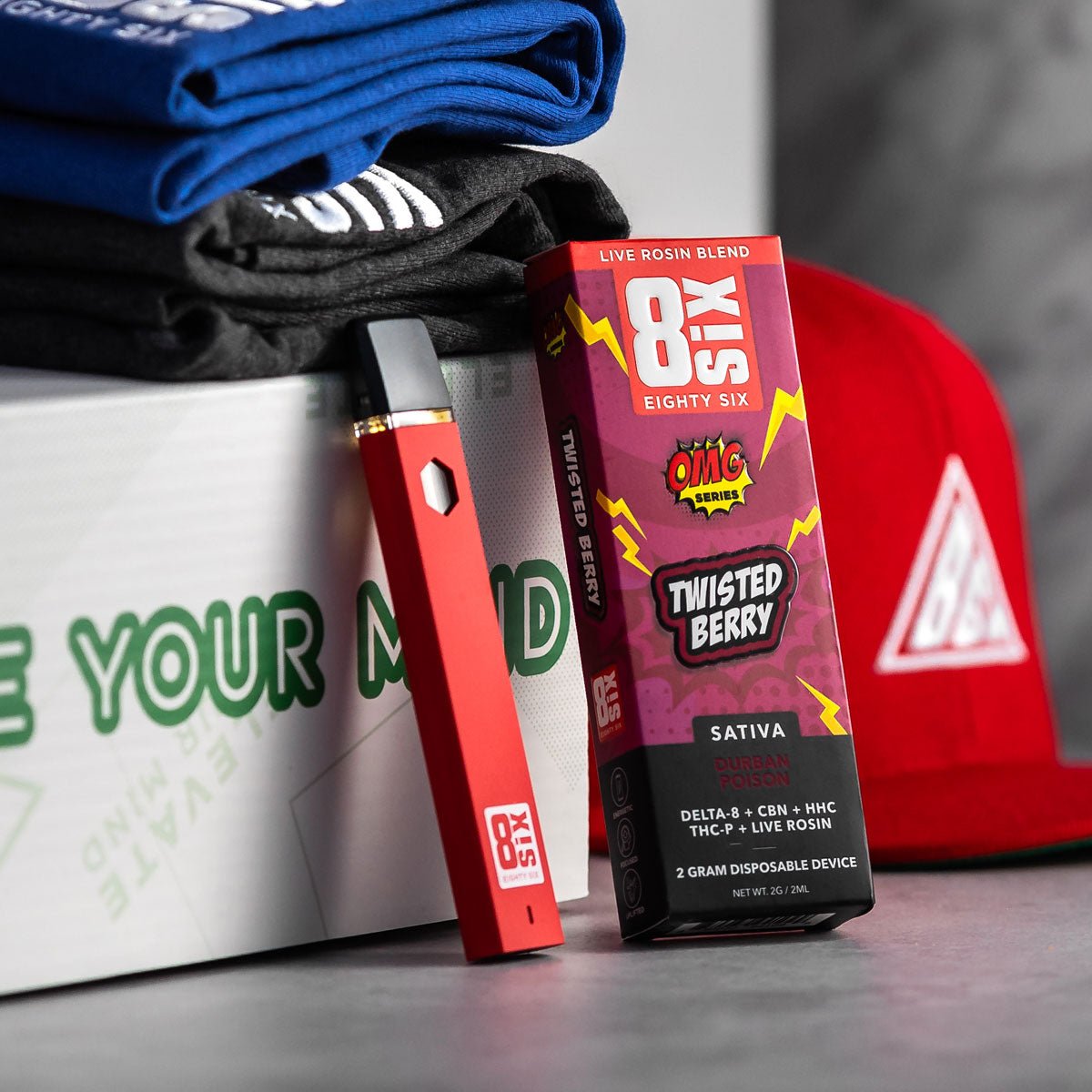
Next, separate the size of the product from its strength. A 2-gram disposable contains two grams of material, not necessarily two grams of THC-P. The total amount and the concentration of a particular cannabinoid are different pieces of information.
A matching certificate of analysis, or COA, can help explain the formula. Check the product and batch identifiers, then look for THC-P specifically. Pay attention to units and whether a number describes a serving, the whole package, or a percentage.
Also check what was tested. A cannabinoid report doesn't automatically include screening for pesticides, heavy metals, or other contaminants. A report can answer specific questions, but it cannot guarantee how you'll feel.
Getting familiar with the Drip Series
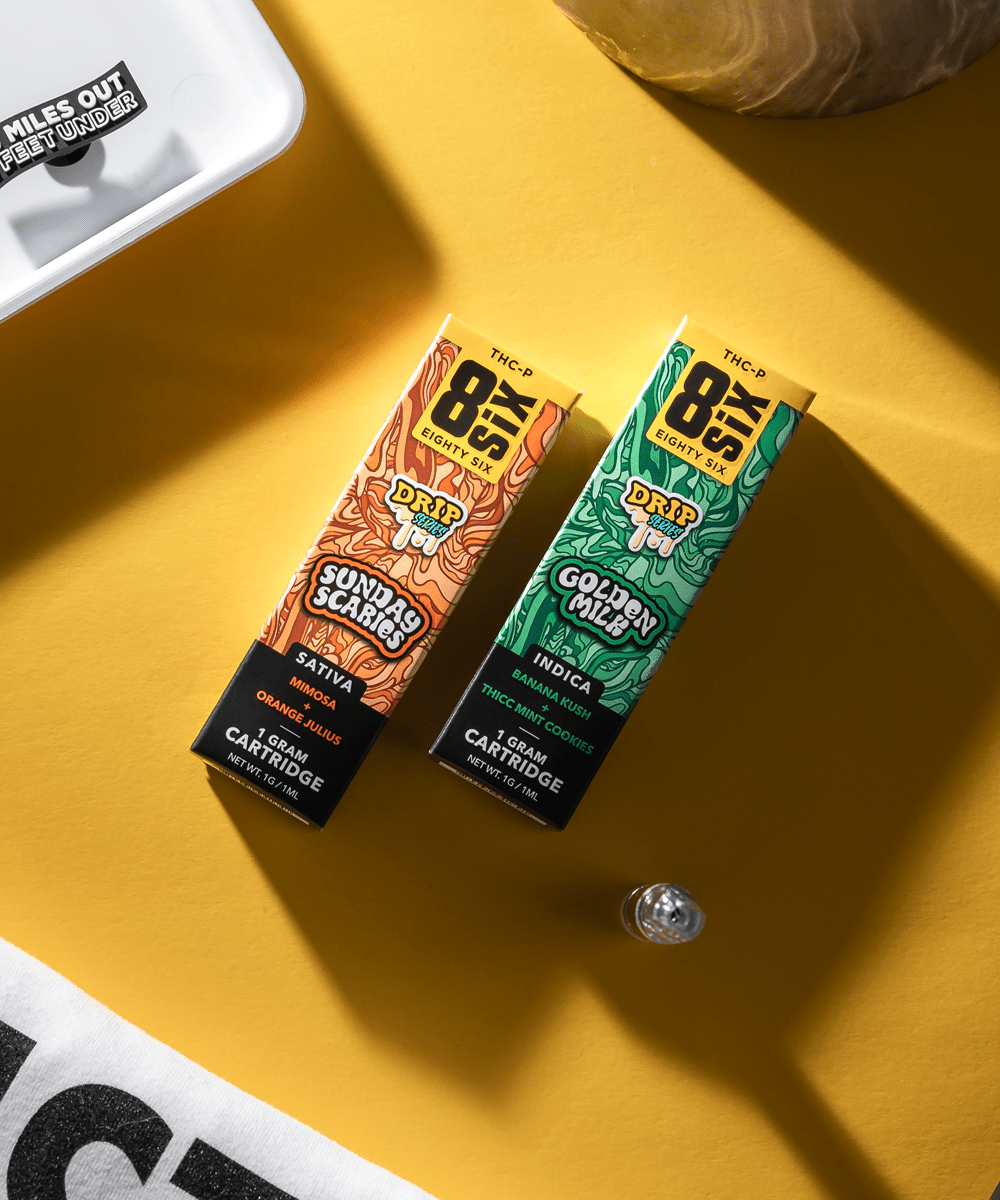
Eighty Six’s Drip Series includes Runtz Pop, Sunday Scaries, and White Rabbit, each with a different flavor profile. Runtz Pop leans into rainbow sherbet, Sunday Scaries takes a citrus turn, and White Rabbit rounds out the trio with berry. These descriptions give you a sense of their flavor differences, while the formula tells you more about what’s inside.
Runtz Pop is a hybrid THC-P disposable with a sweet rainbow sherbet ice cream flavor. Its description references White Runtz x Push Pop as strain crosses.
Sunday Scaries is a 2-gram THC-P disposable with bold citrus flavor and a Mimosa x Forbidden Fruit strain reference.
White Rabbit brings a berry-forward flavor to the Drip Series, with an indica classification and a White Berry x Animal Cookies strain cross. Its fruity profile offers a distinct contrast to Runtz Pop’s sherbet sweetness and Sunday Scaries’ citrus notes.
These descriptions help distinguish the flavors, but they don’t establish relative strength or guarantee particular effects.
Across the three, the clearest listed distinction is sherbet-style, citrus, and berry flavor. Understanding the cannabinoid composition still requires the label and matching batch information. It should be noted that a flavor preference doesn't tell you which formula will agree with you, though.


Before deciding to try it
There isn't a universal dose or puff count that makes THC-P predictable for everyone. Don't borrow someone else's routine or assume your experience with another product will transfer directly.
Avoid mixing cannabis with alcohol or other intoxicants. If you take medications or have health concerns, talk with a qualified clinician about possible interactions and risks. Avoid cannabis during pregnancy or breastfeeding. [4]
Don't drive or operate machinery after using an intoxicating cannabinoid. Arrange transportation beforehand, and keep products in their original packaging, locked away from children and pets. [3][5]
Final Thoughts
Getting to know THC-P starts with understanding what makes it different, from the cannabinoid itself to the details behind each formula. At Eighty Six, we want that information to feel approachable, so you can explore the topic with a clearer picture of what’s known and what researchers are still learning.
Curiosity doesn’t come with a commitment. Whether you’re considering THC-P or deciding it’s not for you, there’s no need to match anyone else’s experience. For adults 21 and older, the goal is an informed choice that respects your own comfort level.